
Wet crawl spaces are the single most under-addressed problem we see in Portland metro homes. Homeowners assume the smell in the hall closet is the dog, or the cupped hardwood in the dining room is normal seasonal movement. It is almost always the crawl space. This guide covers what causes it, what actually solves it, and the popular fixes that make it worse.
Why Portland crawl spaces get so wet
The Portland metro sits on heavy clay soils that do not drain. During the wet season, groundwater rises, downspout discharge saturates foundation soils, and warm indoor air meets cold crawl space surfaces where moisture condenses on framing and ductwork. Add a torn or missing 6-mil vapor barrier and you have standing water and 100 percent RH under your living room within weeks.
What actually solves it
- Fix bulk water first: extend downspouts, correct grading, install a French drain and sump if needed.
- Replace or install a continuous, sealed 10-mil (or better) vapor barrier across the entire soil surface, up the piers, and up the stem walls.
- Seal foundation vents in wet climates like Portland (per current best practice; skip only if a building official requires them).
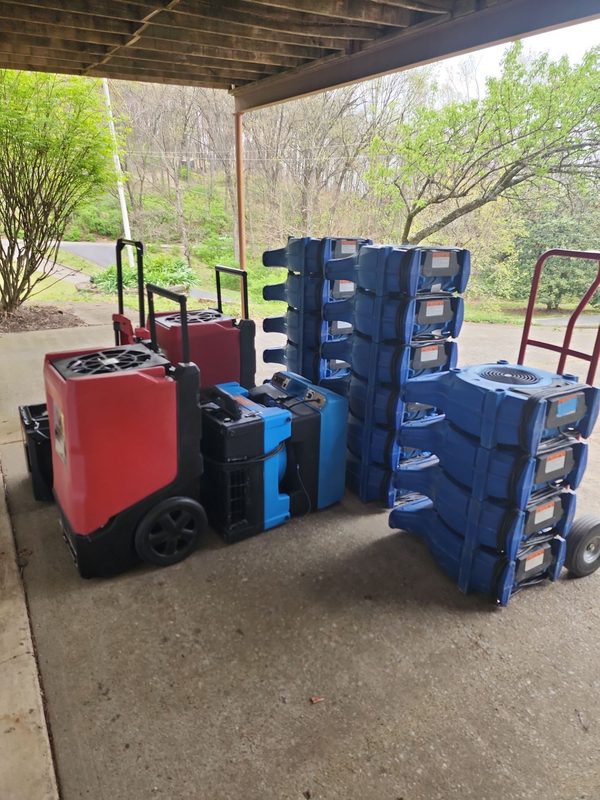
- Add a dedicated crawl space dehumidifier draining to a condensate pump.
- Insulate the perimeter walls, not the floor above, once the space is dry and sealed.
What to avoid
- Do not install a fan pulling outdoor air into the crawl space. Portland outdoor air is often wetter than the space you are trying to dry.
- Do not spray bleach on visible mold and call it done. See our mold post for why that fails.
- Do not skip the bulk water fix in favor of a bigger dehumidifier. Removing gallons per day with a machine that costs pennies per hour to run cheap is not a real solution.
Why venting fails in the Pacific Northwest
Older Portland code required foundation vents to move air through the crawl space. That logic assumes outdoor air is drier than crawl-space air. In Portland from November through May, outdoor air is often wetter. Venting draws that moist air across cold framing, where it condenses. Current best practice, supported by ENERGY STAR and the Building Science Corporation, is to seal vents and dehumidify the space instead.
Wet crawl space in Portland? Book a free written scope with photos and readings.
Call (503) 883-8429